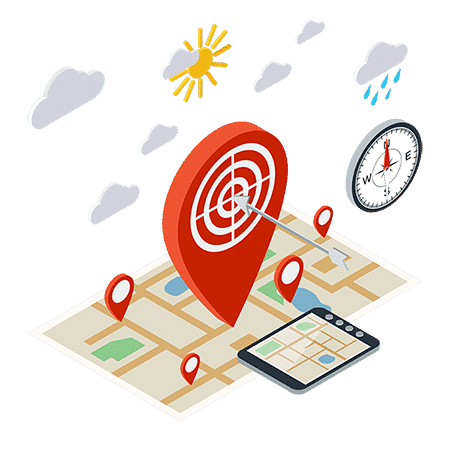
Being personal and engaging with your customers has become critical to generating conversions. Whether you are trying to get more business customers or consumers to walk in your door, you have to be better than your competitors. Google Ads, Facebook and Bing are amazing platforms for advertising, but sometimes you need a much more laser-focused approach to reaching your audience. Geofencing enables your ads to be laser targeted to mobile and desktop devices down to the household level.
Types of Geofencing Campaigns
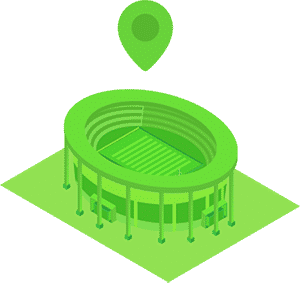
Tradeshows and Events
When you can’t attend an event (trade show, concert, sporting event), but want to reach the audience with your ads, target the area for a specific period of time.
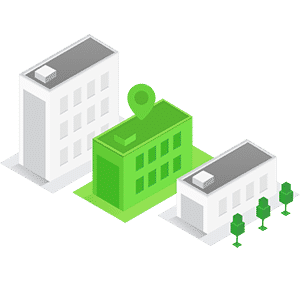
Corporate Accounts
When you are focused on Account Based Marketing (ABM) and have specific target companies, use geofencing to target their offices in one or multiple locations to get in front of the right people.
Households
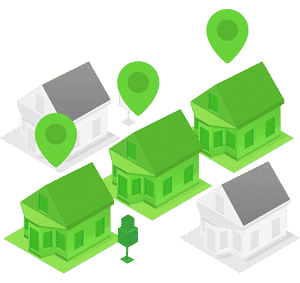
You can target entire regions or specific households across the US with your ads. This is extremely useful when combined with our Lumentis household data to narrow down to specific households that are most likely to be your customer.
Competitors
A fun campaign to run are ads at your retail or competitor locations (such as a restaurant or dealership) to get in front of people at these locations. Why not have a little fun with it and get new customers in the door?
Managing Your Geofencing Campaigns
Geofencing is not like Google Ads or Facebook Ads. Sure, you can target general regions with those platforms, but they are kind of a shotgun approach to the market rather than the laser focus of a geofencing campaign. When creating a campaign targeted at your region is to find out if there are even customers there that will 1) want your product or service, and 2) actually are capable of seeing your ads in that area. Here in our Lab, we have learned that just because you can target a location, doesn’t mean people are going to be capable of seeing your ads because of any variety of issues.
So our recommendation is to plan well ahead if possible. Create your campaign for your target region, but don’t start it. Find out if there is a large enough audience to even target. Ad networks we work with are able to show how many possible people there are in the area before ever starting the campaign. This will be challenging for Events, but you usually don’t have to worry about them since you will know how many people are going to be there ahead of time.
Once you have validated you have an audience to reach, you will want to closely monitor your geofence bidding. Just like Google, ads will be shown usually by the highest bidder. This isn’t the only factor you have to worry about, but its a big one. Its quite possible that many others are targeting the location and you can be outbid. Fortunately, geofencing is usually very inexpensive compared to Google Ads and Facebook Ads.
What is a Geofencing Ad Campaign and how does it work?
The basic idea of geofencing is getting your ads in front of people when they are in, or have been, at a specific location. Google and Facebook have very limited abilities to be precise with their location targeting, which means ads can show up for an unintended audience, which, of course, is a big waste of your ad budget. Geofencing gets your ads in front of precisely the people you want.
Target 1 Home Up to a Million Homes
- Extremely Precise Targeting. Geofencing goes well beyond IP based marketing by using lat/long for an extreme match rate on target audiences.
- Multiple Ad Formats. Most geofencing ads will appear on mobile devices entering a location. So pretty much any video or static ad can be used
- Narrow Down By User Interests. Within your geofence campaigns, especially if you are targeting a region, focus in using interests observed for these audiences. It will improve the reach of your budget to those most likely to buy.
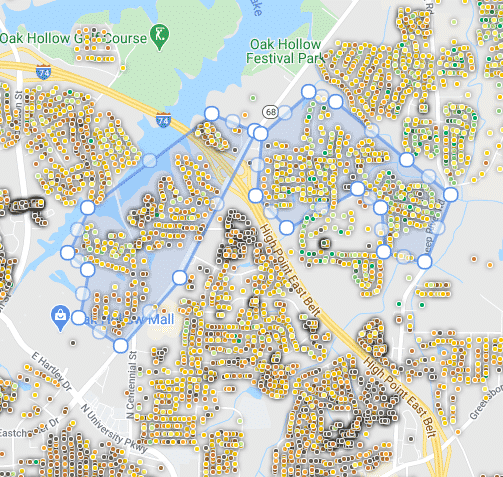
- Highly Targeted Regions. Where Google and Facebook use circles for targeting regions, with geofencing, you can create the craziest target regions you want. People don’t live in circles and your campaigns shouldn’t either.
Advantages of Geofencing over Google Ads and Facebook Ads
First, Geofencing should not replace your Google and Facebook ad campaigns. It is meant to work in addition to and even enhance the effectiveness of your other ad campaigns. But there are unique characteristics of geofencing ads that can not be accomplished by Google or Facebook.
- Hyperlocal Targeting. As previously mentioned, geofencing ads can point ads to a very specific location. This could be an individual building within a group of buildings or a selection of households in the midst of an entire community.
- Segmenting Within Same Regions. Because of the power of targeting locations, you’re able to run campaigns at a region and literally run one campaign for an address and next door run another. Segmentation is a powerful tool at driving up sales.
- Targeting by Device Type. Want to target an audience by the type of phone they have? Or maybe the OS they use? Totally possible. This becomes important when you create apps for mobile devices and it works best on specific models.
FAQ on Geofencing
[ht_faq_group id=”2593″ name=”FAQ on Geofencing Campaigns” hfaq_style=”style3″ hfaq_nametag=”Geofencing FAQ” hfaq_type=”accordion” hfaq_icon_pos=”left” hfaq_icon=”3″ hfaq_icon_size=”18″ hfaq_question_opencolor=”” hfaq_icon_opencolor=”#1a1a1a” hfaq_icon_closecolor=”#cccccc” ]